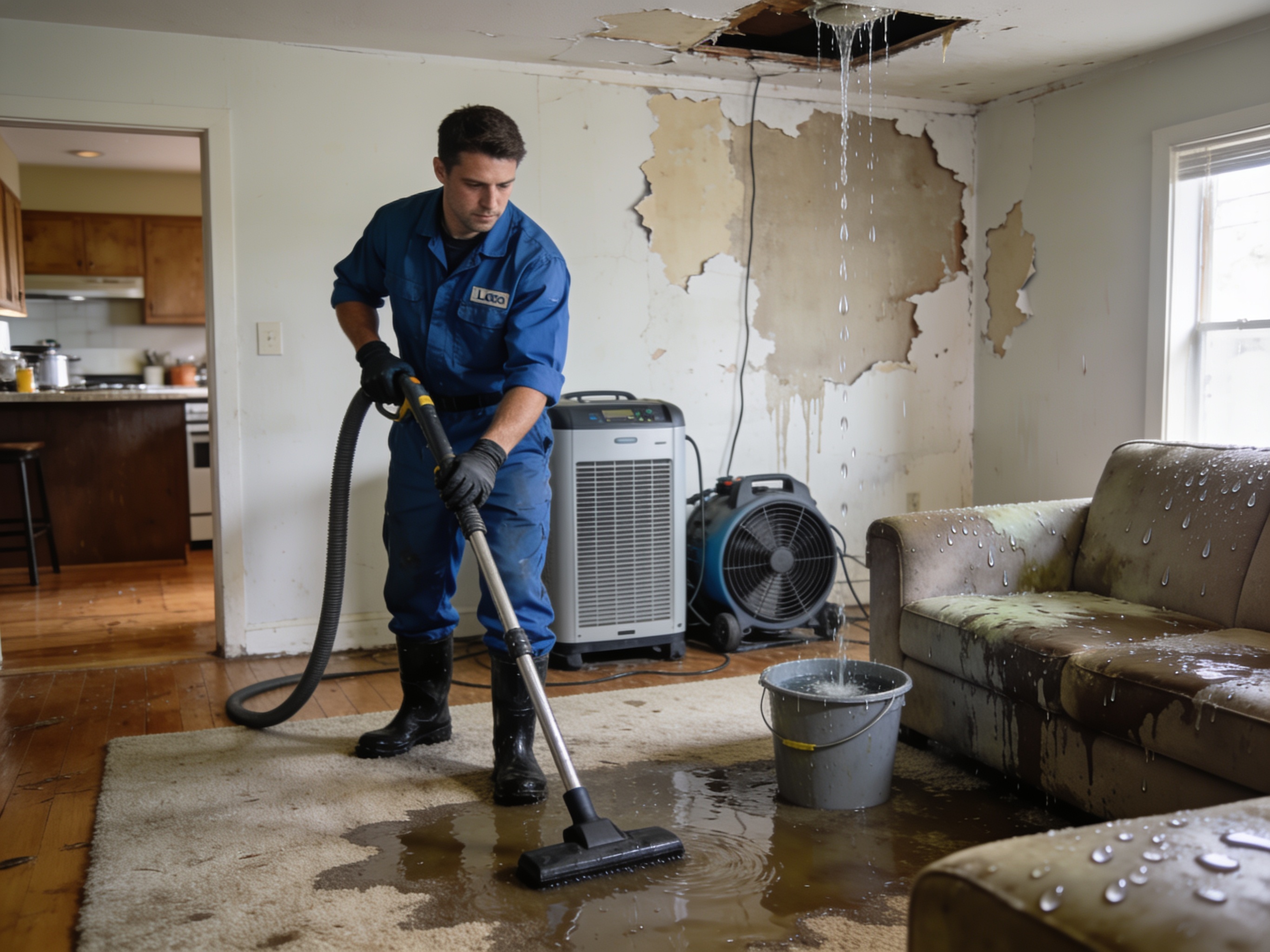
Laredo’s hot semi-arid climate brings sudden heavy rains that overwhelm older homes in Downtown and around San Agustin Plaza. Many structures there still have original plaster and wood framing that absorb water quickly, so extraction must start before salts in the Rio Grande water cause efflorescence on brick. Crews often work around narrow alleys and limited parking near the Republic of the Rio Grande Museum, which adds time to equipment staging.
In Del Mar and Hillside neighborhoods, slab-on-grade homes built on Webb County clay soils shift during wet periods, opening hairline cracks that let water reach subfloor insulation. Technicians use moisture meters on both sides of the slab and run dehumidifiers longer than in drier McAllen jobs because summer heat drives humidity spikes inside closed-up houses. Missing these hidden pockets leads to musty odors months later.
Los Presidentes properties near the river corridor face repeated overland flow during monsoonal bursts. Here the focus shifts to removing saturated carpet pad and checking HVAC ducts that run low to the slab; one missed line can spread moisture through the entire supply system. Local crews schedule drying around the 8am–6pm weekday window to avoid disturbing residents during peak heat.
Technician insight
In Laredo the thing that catches most people out with Emergency Water Damage Restoration is how fast clay soil around Hillside and Los Presidentes foundations re-wets the slab edge after the first rain; if you don’t pull baseboards and check behind them the first day, moisture travels under the vinyl and you end up tearing up twice the floor later.
Hillside Slab Leak After Summer Storm
Heavy rain pushed water under a 1970s slab in Hillside; owners noticed buckling vinyl two days later. Meters showed moisture 18 inches under the living-room edge where clay had shifted. Crews extracted water, dried the cavities through baseboard cuts, and confirmed dry readings before reinstalling trim.
Emergency Water Damage Restoration Services We Offer
✓Emergency Water Extraction
Rapid removal of standing water from slabs and crawlspaces using truck-mounted pumps sized for Rio Grande sediment loads.
✓Structural Drying Services
Placement of air movers and dehumidifiers calibrated for Laredo’s summer humidity spikes to prevent secondary damage in plaster walls.
✓Carpet and Pad Removal
Cutting and disposing of waterlogged carpet and pad in older Del Mar homes where pad glue has already released.
✓Ceiling and Wall Cavity Drying
Drilling small access points and inserting drying wands to reach trapped moisture behind drywall near Los Presidentes plumbing chases.
✓Sewage Backup Cleanup
Full containment and disinfection of Category 3 water that enters homes during heavy rains backing up from city lines in Hillside.
Emergency Water Damage Restoration Cost in Laredo, TX
| Service | Typical Range | What Affects It |
|---|---|---|
| Emergency Water Extraction | $250–$650 | Varies with depth and sediment load from river water. |
| Full Structural Drying | $400–$900 | Longer runs needed in summer humidity or older plaster homes. |
| Carpet And Pad Removal | $150–$350 | Includes disposal; higher in multi-story Los Presidentes units. |
| Sewage Containment And Cleanup | $600–$1,200 | Depends on square footage and required PPE level. |
Ranges are typical for Laredo, TX and confirmed with an exact written quote before any work starts.
How it works
- 1
On-Site Assessment
Technician maps moisture with meters across affected rooms and checks for hidden migration along slab edges common in Webb County clay.
- 2
Water Removal
Pumps and wands extract standing water while protecting nearby furniture and flooring in tight Downtown layouts.
- 3
Drying And Monitoring
Equipment runs with daily moisture logs until readings match unaffected areas, accounting for Laredo’s rapid daytime temperature swings.
- 4
Final Sanitation
Antimicrobial application on all contacted surfaces followed by clearance testing before contents are returned.
Pricing
Pricing depends on water volume, number of rooms, and whether hidden cavities or slab migration are present.